
Maximizing Remote Agile Coaching Methods for Lasting Success

When it comes to mastering Agile, Scrum, leadership, and AI, the way we learn and grow has evolved dramatically. Remote agile coaching methods have opened up incredible opportunities for individuals, teams, and organizations to transform their workflows and mindsets without geographical limits. I’m excited to share practical insights and actionable tips to help you maximize these methods and truly thrive in your Agile journey.
Let’s dive into how you can harness the power of remote coaching to accelerate your progress, boost collaboration, and achieve remarkable business outcomes.
Unlocking the Power of Remote Agile Coaching Methods
Remote agile coaching methods are more than just a workaround for distance. They are a powerful way to connect, learn, and evolve in real time. The key is to embrace the unique advantages of virtual environments while overcoming common challenges.
Here’s what I’ve found works best:
Leverage interactive tools: Use video conferencing, digital whiteboards, and collaboration platforms to keep sessions engaging and hands-on.
Set clear goals and expectations: Define what success looks like for each coaching session and overall engagement.
Encourage active participation: Make sure everyone has a voice and feels comfortable sharing ideas and feedback.
Build trust intentionally: Use icebreakers, informal chats, and consistent follow-ups to create a safe space for growth.
Adapt to different learning styles: Mix visual, auditory, and kinesthetic activities to reach everyone effectively.
By focusing on these elements, remote coaching becomes a dynamic, inclusive experience that drives real change.

Practical Strategies to Enhance Remote Agile Coaching Sessions
To get the most out of remote agile coaching methods, it’s essential to design sessions that are both efficient and inspiring. Here are some strategies I recommend:
Start with a strong agenda
Outline the session’s objectives, topics, and time allocations. Share this agenda ahead of time so participants come prepared.
Use breakout rooms for small group work
Smaller groups encourage deeper conversations and more personalized coaching moments.
Incorporate real-world scenarios
Bring in actual challenges your team or organization is facing. This makes learning relevant and immediately applicable.
Encourage reflection and feedback
End sessions with a quick round of reflections or a feedback poll to understand what worked and what can improve.
Follow up with resources and action items
Provide summaries, reading materials, or exercises to reinforce learning between sessions.
These approaches keep remote coaching sessions lively, focused, and impactful.
How to Choose the Right Remote Agile Coaching Approach
Selecting the best remote agile coaching methods depends on your unique context and goals. Here’s how to make an informed choice:
Assess your team’s maturity level
Beginners may need more structured guidance, while experienced teams benefit from facilitation and peer coaching.
Consider your organizational culture
Some cultures thrive with open dialogue and experimentation, others prefer formal frameworks and clear roles.
Evaluate technology readiness
Ensure your team has access to reliable internet, devices, and collaboration tools.
Define your coaching objectives
Are you focusing on Agile adoption, leadership development, or AI integration? Tailor your approach accordingly.
Balance synchronous and asynchronous methods
Live sessions build connection, while recorded content and self-paced exercises offer flexibility.
By aligning your coaching style with these factors, you create a customized experience that maximizes engagement and results.
Integrating Technology to Boost Remote Agile Coaching Effectiveness
Technology is the backbone of remote agile coaching. When used thoughtfully, it can elevate your sessions and streamline collaboration. Here are some tech tips to consider:
Choose versatile platforms
Tools like Zoom, Microsoft Teams, or Google Meet offer video, chat, and screen sharing in one place.
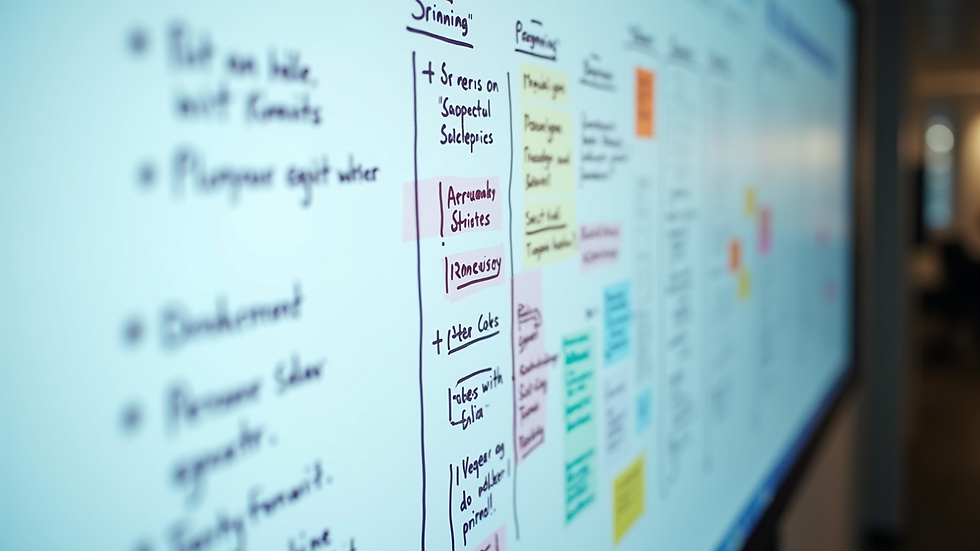
Utilize digital whiteboards
Miro, MURAL, or Jamboard allow teams to brainstorm, map workflows, and visualize ideas together.
Leverage project management software
Jira, Trello, or Asana help track progress, assign tasks, and maintain transparency.
Incorporate AI-powered assistants
Some platforms offer AI features that can analyze team dynamics or suggest improvements.
Ensure security and privacy
Protect sensitive information by using secure connections and following best practices.
By integrating these technologies, you create a seamless coaching environment that supports continuous learning and adaptation.
Sustaining Momentum Beyond Remote Coaching Sessions
The true magic happens when the energy and insights from remote coaching sessions carry over into daily work. Here’s how to sustain that momentum:
Create accountability partners
Pair participants to check in regularly and support each other’s growth.
Establish rituals and routines
Daily stand-ups, retrospectives, or learning huddles keep Agile principles top of mind.
Celebrate small wins
Recognize progress publicly to boost morale and motivation.
Encourage continuous learning
Share articles, podcasts, or webinars related to Agile, Scrum, leadership, and AI.
Solicit ongoing feedback
Keep refining your coaching approach based on what participants find most valuable.
By embedding these habits, you ensure that remote coaching leads to lasting transformation and improved business outcomes.
Maximizing remote agile coaching methods is an exciting journey filled with opportunities to grow, connect, and innovate. Whether you’re just starting or looking to deepen your Agile expertise, embracing these strategies will empower you to unlock your full potential.
If you’re ready to take the next step, consider exploring online agile coaching services that can provide tailored support and expert guidance every step of the way. Together, we can build stronger teams, smarter leaders, and more adaptive organizations that thrive in today’s fast-paced world.


Comments